
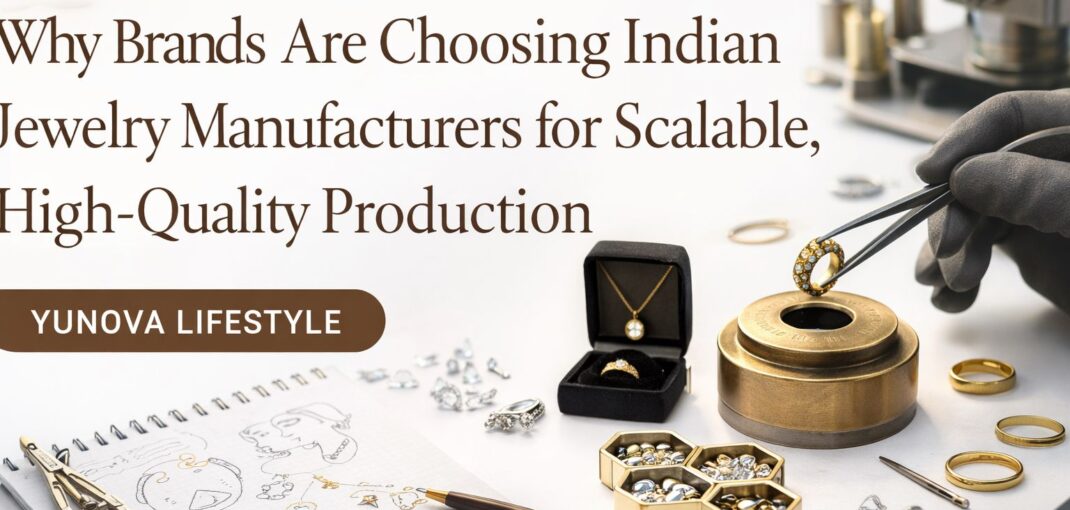
Rising metal prices, evolving consumer expectations, and tighter retail margins have made cost control in jewelry manufacturing more important than ever. However, reducing production costs should never mean compromising quality, durability, or brand reputation.
The key is not to “cut corners” — it’s to optimize intelligently.
In this guide, we break down how brands can reduce jewelry production costs through smarter design, material choices, and manufacturing strategies — without sacrificing finish, longevity, or customer satisfaction.
1. Start With CAD Optimization (Where Real Savings Begin)
The biggest opportunity to reduce costs lies at the design stage.
Smart CAD Practices:
•Optimize wall thickness (avoid unnecessary metal bulk)
•Eliminate hidden excess material
•Avoid deep undercuts that increase polishing time
•Standardize stone sizes across collections
•Design for easy polishing access
Even a 10% weight reduction in silver or brass can significantly improve margins across bulk production.
At Yunova Lifestyle, we treat CAD as a cost-engineering tool — not just a design file.
2. Choose the Right Metal for the Right Collection
Not every design requires the most expensive material.
Strategic Metal Allocation:
•Sterling Silver (925): Ideal for premium everyday lines
•Brass: Excellent for fashion-forward, statement pieces
•Stainless Steel: Durable and cost-stable for contemporary designs
•Zinc Alloy: Suitable for larger fashion designs where weight matters
By aligning metal choice with target price points, brands can protect profitability without lowering perceived value.
3. Use Hollow Construction Where Possible
Hollow jewelry construction is one of the most effective ways to reduce metal usage.
Benefits:
•Lower raw material cost
•Comfortable wearability
•Better shipping efficiency
•High-impact appearance with controlled weight
When engineered properly, hollow pieces maintain structural integrity while reducing overall cost.
4. Control Plating Thickness Strategically
Plating is essential for finish and durability, but excessive thickness increases costs unnecessarily.
Best Practices:
•Match plating thickness to usage (daily wear vs occasional wear)
•Avoid over-plating beyond required microns
•Ensure strong pre-plating surface preparation to reduce rework
•Use protective e-coating where suitable
The right plating strategy balances cost and durability effectively.
5. Standardize Components Across Collections
Brands can reduce costs significantly by:
•Using the same clasps, hooks, and findings across multiple SKUs
•Repeating base motifs in different categories (ring, earring, pendant)
•Developing capsule collections with shared design language
Standardization improves production efficiency and reduces inventory complexity.
6. Reduce Stone Complexity Without Losing Impact
Stone-heavy designs increase:
•Setting labour
•Quality control time
•Rejection rates
Instead:
•Use fewer but larger stones
•Prefer bezel settings for durability
•Avoid excessive micro pavé in cost-sensitive lines
•Use AAA-quality CZ strategically for premium look at controlled cost
Well-balanced stone placement enhances visual appeal without excessive labour.
7. Improve Production Planning & Batching
Efficient manufacturing reduces hidden costs.
Optimize By:
•Grouping similar finishes together
•Casting similar weight designs in one tree
•Reducing frequent process changeovers
•Planning bulk orders around metal rate stability
Strong production scheduling improves yield and reduces wastage.
8. Invest in Quality Control to Prevent Returns
Many brands overlook the cost of poor quality.
Returns, rework, and reputation damage often cost more than the savings from cheap production.
Smart QC Includes:
•Stage-wise inspection
•Plating adhesion tests
•Stone security checks
•Dimensional verification
Quality control protects long-term profitability.
9. Work With a Transparent Manufacturing Partner
Cost optimization works best when brands collaborate closely with manufacturers.
A strong partner will:
•Suggest design modifications to reduce cost
•Offer honest feedback on feasibility
•Break down metal, labour, and plating charges clearly
•Provide realistic production timelines
At Yunova Lifestyle, we focus on building long-term partnerships based on transparency and efficiency.
Conclusion
Reducing jewelry production costs is not about lowering standards — it’s about making smarter engineering and sourcing decisions.
Brands that optimize CAD, control plating intelligently, select appropriate materials, and streamline production workflows can maintain premium quality while protecting margins.
Cost efficiency and quality can coexist — when backed by strategic manufacturing expertise.
If you are reviewing your current production structure or planning your next collection, now is the right time to evaluate where intelligent optimization can improve your profitability.
FAQs
1. How can I reduce jewelry production cost without lowering quality?
Start with CAD optimization, use appropriate materials, control plating thickness, and standardize components.
2. Does hollow jewelry reduce durability?
Not when engineered correctly. Hollow construction can maintain strength while reducing weight.
3. Is thicker plating always better?
Not necessarily. Plating should match usage expectations rather than exceed them.
4. Which metal is most cost-effective for fashion jewelry?
Brass and stainless steel are typically more cost-stable than silver.
5. Can Yunova Lifestyle help optimize existing designs?
Yes. We regularly review and refine designs to improve cost efficiency while maintaining quality.