
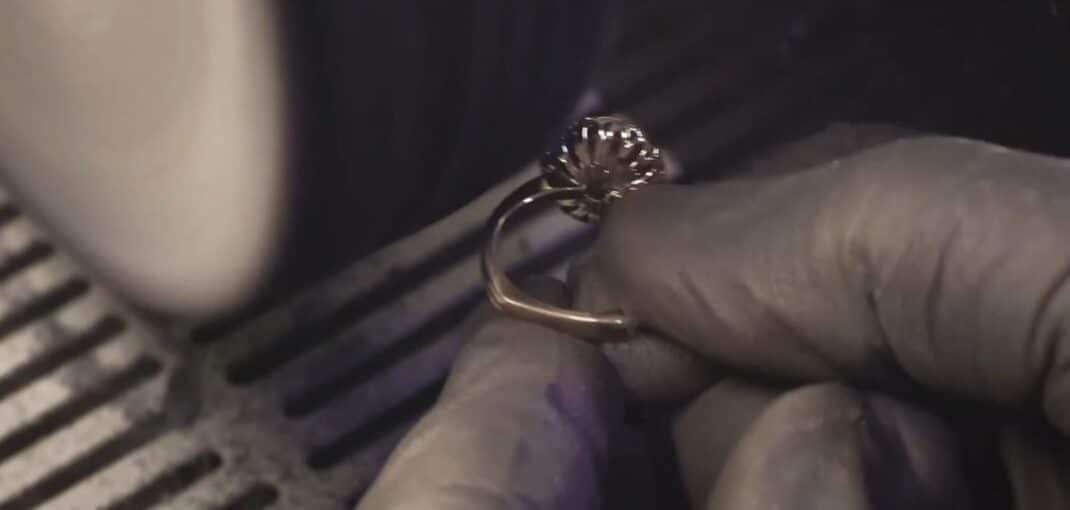
Jewelry manufacturing is a highly detailed and technical process that combines design creativity, engineering precision, and skilled craftsmanship. From CAD development to casting, stone setting, finishing, and plating, every step must be executed carefully to ensure the final product meets quality and durability standards.
However, even experienced jewelry brands and manufacturers often encounter challenges during production. Issues related to design feasibility, metal rates, production timelines, quality consistency, and supply chain coordination can affect both cost and delivery schedules.
Understanding these challenges and implementing effective solutions can significantly improve efficiency, reduce production risks, and ensure better results for jewelry brands and retailers.
⸻
1. Design Feasibility Issues
The Challenge
One of the most common challenges in jewelry manufacturing arises at the design stage. A design may look visually appealing in sketches or digital renders, but it may not always be practical to produce.
Some typical problems include:
•Extremely thin structures that may break during casting
•Designs that are too heavy and increase production cost
•Complex stone settings that are difficult to secure
•Shapes that are difficult to polish or plate properly
If design feasibility is not considered early, manufacturers may face delays or multiple revisions during production.
The Solution
The best way to overcome this challenge is through CAD-based design engineering. During the CAD stage, experienced manufacturers can:
•Optimize weight and metal usage
•Strengthen delicate areas of the design
•Adjust stone placements for secure setting
•Ensure the design is casting-friendly
This approach ensures that the final piece is not only beautiful but also structurally sound and commercially viable.
⸻
2. Metal Price Volatility
The Challenge
Jewelry manufacturing is heavily influenced by metal prices, especially for silver and gold. Metal rates fluctuate frequently due to global market conditions.
This volatility creates uncertainty in pricing and can impact production costs if not managed properly.
The Solution
To maintain transparency and stability, many manufacturers fix the metal rate at the time of advance payment or order confirmation. This allows both the brand and the manufacturer to avoid unexpected cost changes during production.
Additionally, efficient design engineering can help optimize metal usage and reduce overall cost.
⸻
3. Maintaining Consistent Quality
The Challenge
Quality consistency is one of the most critical aspects of jewelry manufacturing, especially for brands selling online or through retail chains.
Common quality issues include:
•Uneven stone setting
•Inconsistent plating thickness
•Poor finishing or polishing
•Loose components or weak joints
Even small inconsistencies can lead to customer dissatisfaction and product returns.
The Solution
A strong quality control (QC) process is essential. Reliable manufacturers implement multiple inspection stages, including:
•Pre-production design review
•Post-casting inspection
•Stone setting quality checks
•Final polishing and plating inspection
These checkpoints ensure that every piece meets the required standards before shipment.
⸻
4. Production Lead Time Delays
The Challenge
Jewelry production involves several steps, and delays can occur if workflows are not properly coordinated. Factors such as sample revisions, stone procurement, or finishing issues can extend timelines.
For brands planning seasonal or festive collections, delays can lead to missed launch opportunities.
The Solution
Efficient production planning and communication are key. Manufacturers can improve lead time management by:
•Using structured production timelines
•Coordinating stone sourcing in advance
•Maintaining dedicated teams for specific production stages
Working with a manufacturer that handles multiple processes under one roof also helps reduce dependency on external vendors and improves efficiency.
⸻
5. Stone Setting Difficulties
The Challenge
Stone setting requires precision and skill. Poorly executed stone setting can result in loose stones, uneven alignment, or damage to the design.
This is especially challenging in designs with multiple small stones or intricate patterns.
The Solution
Using standardized stone sizes and proper design engineering can make the setting process more efficient. Skilled setters combined with proper quality checks ensure that stones are securely placed without compromising the design.
Additionally, wax setting techniques can help achieve better stone placement before casting.
⸻
6. Plating and Tarnishing Concerns
The Challenge
Plating quality plays a major role in the appearance and longevity of jewelry. Poor plating can lead to early tarnishing or uneven color tone.
Customers often expect jewelry to maintain its finish for extended periods, especially in gold or rhodium plated pieces.
The Solution
The durability of plating depends on several factors:
•Proper pre-plating polishing
•Correct micron thickness of plating
•Quality control during electroplating
Micron plating generally offers better durability than flash plating, making it suitable for higher-quality jewelry lines.
⸻
7. Managing Small Order Quantities
The Challenge
Many emerging jewelry brands prefer smaller production runs to test designs before committing to large volumes. However, traditional manufacturing systems are often optimized for large batches.
This can make it difficult for startups to find manufacturers willing to support low minimum order quantities.
The Solution
Flexible manufacturing systems and efficient production workflows allow manufacturers to support low MOQ production while maintaining cost efficiency.
This approach enables brands to test new designs, reduce inventory risks, and respond quickly to market trends.
⸻
8. Communication Gaps Between Brands and Manufacturers
The Challenge
Miscommunication between brands and manufacturers can lead to production errors, incorrect finishes, or misunderstandings about specifications.
Even small details like plating color or stone type can significantly impact the final product.
The Solution
Clear documentation and open communication are essential. This includes:
•Detailed CAD approvals
•Sample confirmations before bulk production
•Clear plating specifications
•Regular production updates
A transparent communication process ensures both parties remain aligned throughout the manufacturing cycle.
⸻
Conclusion
Jewelry manufacturing is a complex process that requires precision, planning, and collaboration. While challenges such as design feasibility, metal price fluctuations, quality control, and production timelines are common, they can be effectively managed through structured processes and experienced manufacturing partners.
By focusing on design engineering, efficient production workflows, transparent pricing, and strict quality control, jewelry brands can overcome these challenges and create collections that are both commercially successful and aesthetically compelling.
For brands looking to scale their collections or develop new designs, working with a reliable manufacturing partner can significantly simplify the production journey and ensure consistent results.